
Filters
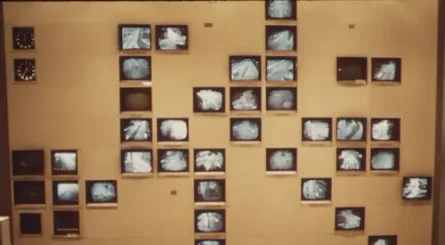
Operative TV: Audiovisual Closed-Circuits from the Military to the Classroom, 1930s-1990s
The SNSF PRIMA project “Operative TV: Audiovisual Closed-Circuits from the Military to the Classroom, 1930s-1990s” studies the uses of TV in industrial, medical, educational and military contexts.

Participation in Social Health Protection: An Anthropological Case Study in Tanzania
This project calls for a broad view of social health protection, comprising health care funding and people’s ubiquitous but less visible strife for participation in self-organized groups and networks.
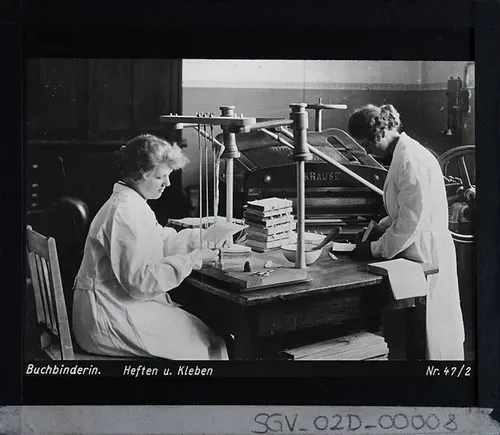
Photo Archive of the Cultural Anthropology Switzerland (CAS)
With its approximately 500,000 photo objects from across the world, the photo archive of the CAS fosters new approaches to the study and consumption of photographs.
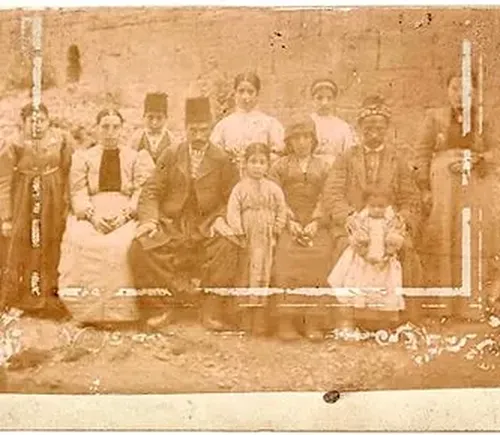
Portraits of Unbelonging: Photography, the Ottoman State, and the making of Armenian emigrants 1896-1908
How do photography and statecraft intersect in the making and unmaking of citizens? How and why did photography become a new media for unmaking subjects in late 19th c Ottoman empire?
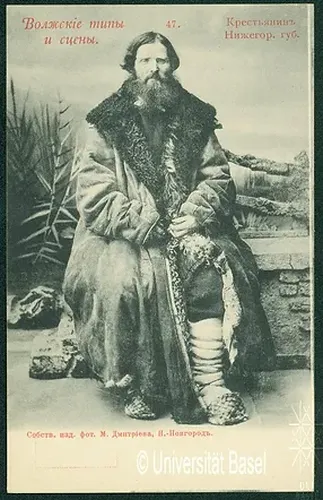
Postkarten Russland
The project makes an extensive collection of Russian postcards public which is held by the Chair of Eastern European History at the University of Basel.
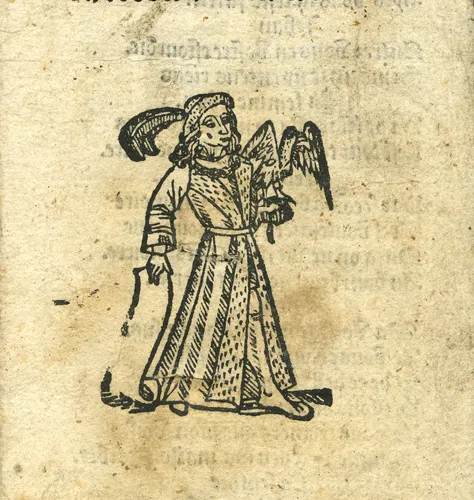
Premiers théâtres romands
The project documents theatrical practices in the French-Swiss regions between the 15ᵗʰ and 16ᵗʰ c. It is a part of the SNSF project focused on versified public communication in French (15ᵗʰ-16ᵗʰ c.)
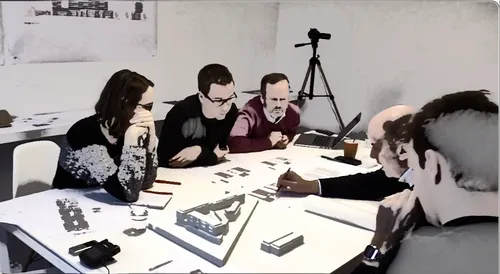
Prendre une position épistémique dans l’interaction. Les marqueurs du savoir, du non-savoir et du doute en français
A systematic and multimodal study of French epistemic and evidential markers as emerging in various professional/institutional settings documented by “natural“ video-recorded data.
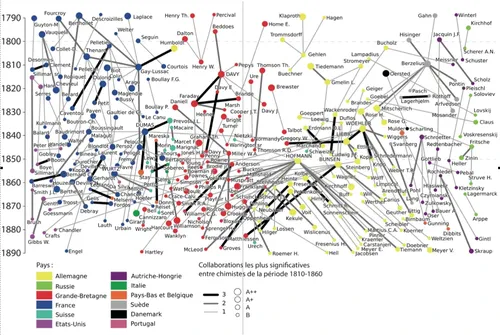
Promoting Knowledge. The Origins of the Science System and the Making of Professional Structures in European States, 1700-1870
The professionalization of science is often conceptualized as the exclusion of amateurs. We show on the contrary that this became only through the development of scientific culture and networks.
Prototyping Workflows for Digital Editions
Anschauungsbeispiel einer generischen Edition: Korrespondenz zwischen dem Philologen G. Paris (1839-1903) und einem seiner Schüler, dem Philosophen W. Lutosławski (1863-1954).