Filters
Clear all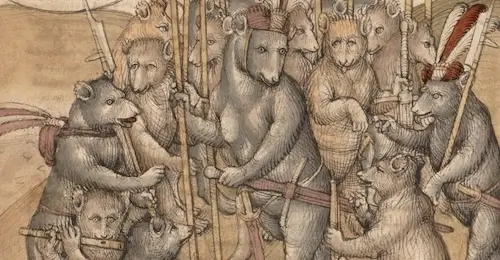
Martial Culture in Late Medieval Towns
The multifaceted martial culture of the late Medieval European town is sketched by this research project describing the ownership, handling, symbolism, use, and materiality of medieval weapons, and their cultural impact on urban society.
Musiklexikon der Schweiz
Das MLS stellt fundierte Information über die AkteurInnen, Institutionen, Orte, Objekte und Phänomene zur Verfügung, die für die Musikgeschichte Schweiz über alle Sparten und Stile relevant sind.
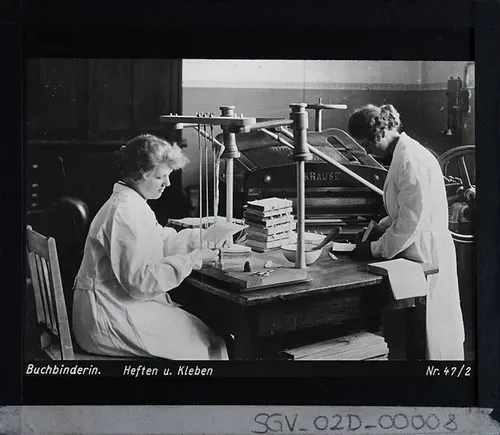
Photo Archive of the Cultural Anthropology Switzerland (CAS)
With its approximately 500,000 photo objects from across the world, the photo archive of the CAS fosters new approaches to the study and consumption of photographs.
Prototyping Workflows for Digital Editions
Anschauungsbeispiel einer generischen Edition: Korrespondenz zwischen dem Philologen G. Paris (1839-1903) und einem seiner Schüler, dem Philosophen W. Lutosławski (1863-1954).
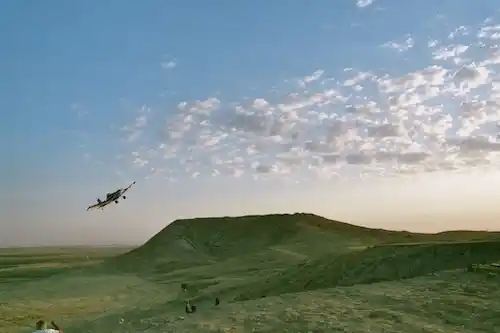
Tall al-Hamidiya Online
The Swiss excavations at Tall al-Hamidiya (NE Syria) revealed a 245-ha Late Bronze Age city. Architecture and texts make it likely that the site was Taidu, the royal residence of the Mitanni empire.
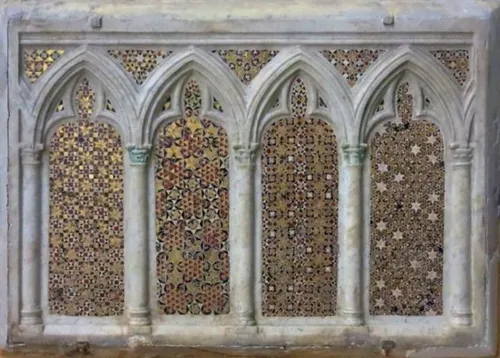
The Churches of Rome in the Middle Ages, 1050-1300. Liturgical Furnishing and Architecture (Corpus Cosmatorum II)
Each Roman church that was affected by building work in the High Middle Ages is presented in alphabetical order, including its architecture (with associated annexes) and its liturgical furnishing
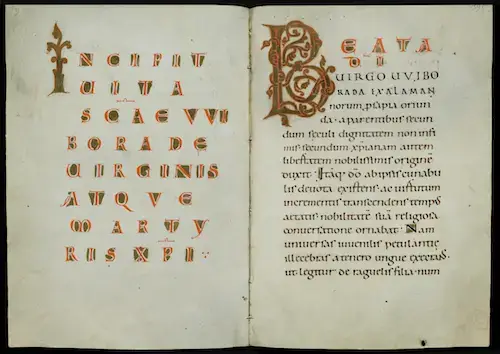
Vitae Sanctae Wiboradae — Lebensbeschreibungen der heiligen Wiborada von St. Gallen, herausgegeben, übersetzt und mit einer Einleitung und Anmerkungen versehen von Walter Berschin
Edition und Übersetzung der beiden von den St. Galler Mönchen Ekkehart I. und Herimannus verfassten Viten Wiboradas von St. Gallen († 926) durch Walter Berschin.
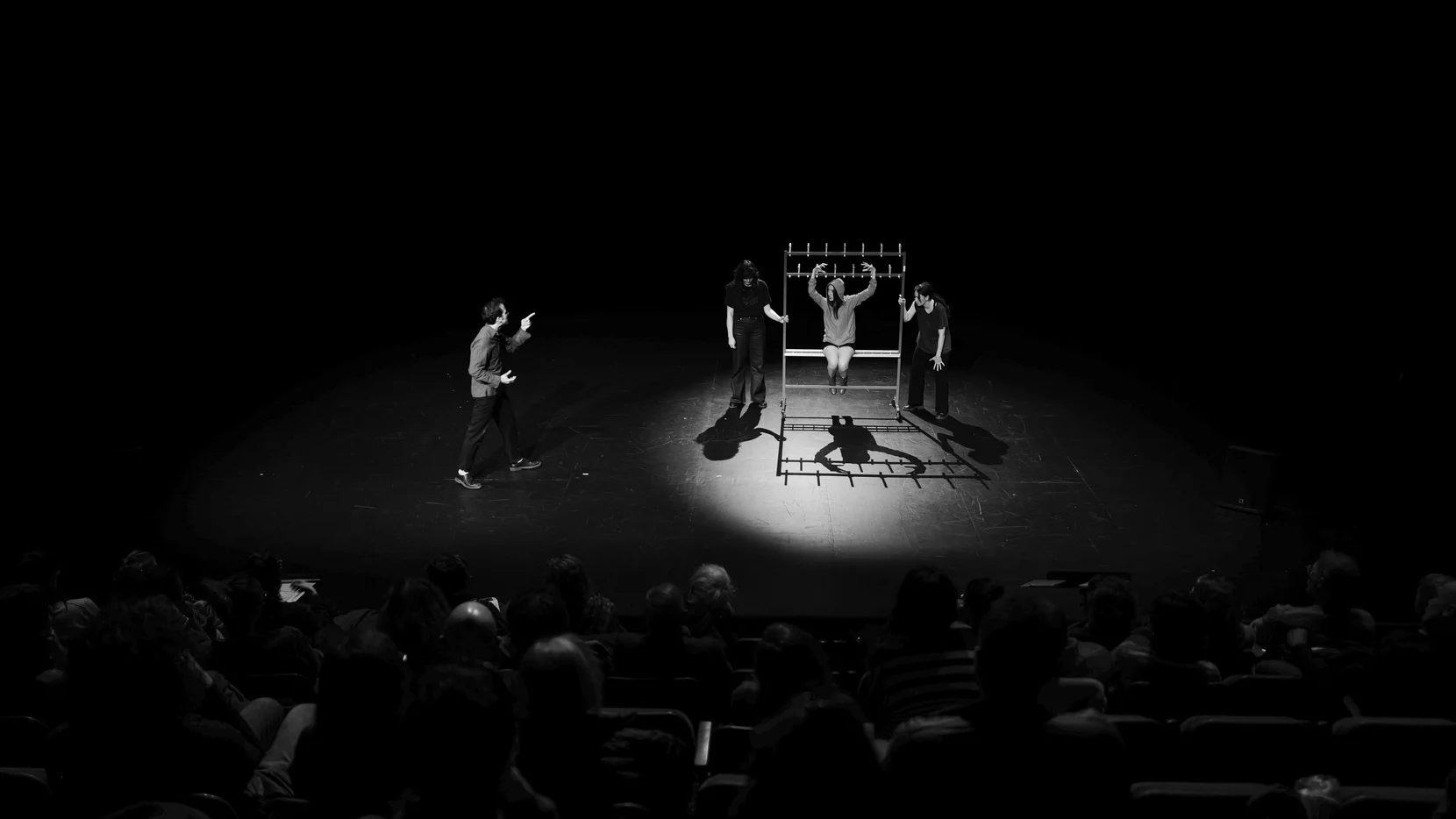
Women Martyrs in Action: Recreating and Performing Medieval Heroines Today
Recherche-création sur deux textes dramatiques médiévaux qui célèbrent des héroïnes martyres : Agnès et Barbe. Le projet envisage la traduction d’extraits originaux et leur experimentation scénique.
WoPoss: A world of possibilities. Modal pathways over an extra-long period of time: the diachrony of modality in the Latin language
The WoPoss project aims at reconstructing the evolution of modal meanings in Latin from the prehistory of the language up to the 7th century CE, through a linguistically annotated, diachronic corpus.